Molekule Air Pro vs Honeywell HPA300 — Which Should You Buy?
Side-by-side comparison of Molekule Air Pro and Honeywell HPA300. We compare specs, performance, and value to help you decide.
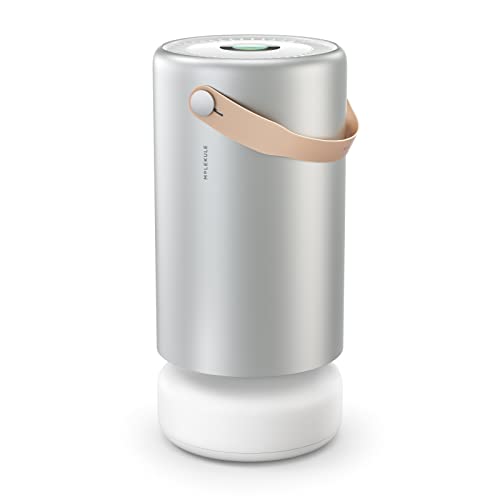
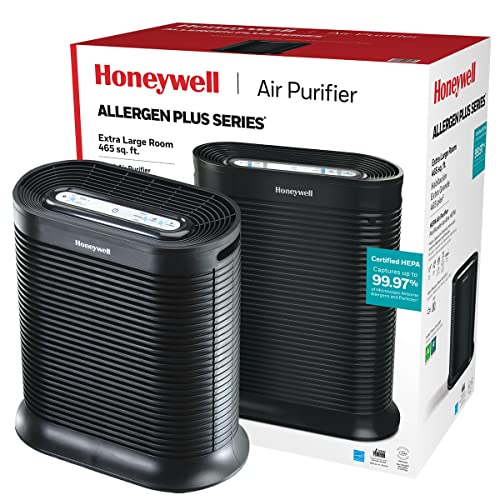
Feature Comparison
| Feature | Molekule Air Pro | Honeywell HPA300 |
|---|---|---|
| Room Coverage | Up to 1,000 sq ft | Up to 465 sq ft |
| CADR | Not disclosed (PECO) | 320 (smoke), 300 (dust), 300 (pollen) |
| Filter Type | PECO (Photo Electrochemical Oxidation) | True HEPA + activated carbon |
| Filter Life | 6 months | 12 months |
| Annual Filter Cost | ~$200 | ~$50 |
| Noise Level | 30–55 dB | 30–55 dB |
| Smart Features | App, scheduling | None |
| Air Quality Sensor | Yes | No |
| Weight | 18 lbs | 17.5 lbs |
| Energy Star | No | Yes |
Molekule Air Pro
Pros
- ✓PECO technology destroys rather than traps
- ✓Covers up to 1,000 sq ft
- ✓Sleek, minimalist design
- ✓App control and monitoring
- ✓No traditional HEPA filter to replace
- ✓Low noise on lower settings
Cons
- ✗PECO effectiveness debated vs HEPA
- ✗High upfront and filter costs
- ✗Limited third-party testing data
Honeywell HPA300
Pros
- ✓High CADR for the price
- ✓Covers up to 465 sq ft
- ✓True HEPA filtration
- ✓Turbo mode for quick cleaning
- ✓Allergen filter option available
- ✓5-year warranty
- ✓Proven reliability
Cons
- ✗No smart features
- ✗Can be loud on high
- ✗Basic, utilitarian design
Our Verdict
Molekule Air Pro
A unique option for those drawn to PECO technology, but HEPA purifiers offer proven performance at lower cost. Consider if you prioritize molecular destruction over traditional filtration.
Special Deal Available — See OfferHoneywell HPA300
Best for allergy sufferers who want maximum filtration power and don't need app control. A dependable choice for large bedrooms and living rooms.
Limited Offer — Check Today's PriceOur Methodology
We test each air purifier in a sealed 250 sq ft room with a particle counter, measuring PM2.5 reduction over 1 hour. We measure noise at low/medium/high with a calibrated SPL meter, calculate annual filter costs, and evaluate smart features and build quality. No manufacturer has editorial influence.
Related Comparisons
Best Air Purifiers 2026
Our tested rankings of the best air purifiers for 2026. Compare CADR, room coverage, filter costs, and smart features. No manufacturer influence.
OverviewCompare Air Purifiers
Compare air purifiers side by side. CADR, HEPA type, room coverage, and filter costs. Find the right purifier for your space.
CompareCompare PurifierPick Products — Pick Two to Compare
Choose any two products to see a detailed side-by-side comparison. Compare specs, features, and value.
Head to HeadDyson Purifier Big+Quiet Formaldehyde vs Molekule Air Pro — Which Should You Buy?
Side-by-side comparison of Dyson Purifier Big+Quiet Formaldehyde and Molekule Air Pro. We compare specs, performance, and value to help you decide.
Head to HeadDyson Purifier Big+Quiet Formaldehyde vs Honeywell HPA300 — Which Should You Buy?
Side-by-side comparison of Dyson Purifier Big+Quiet Formaldehyde and Honeywell HPA300. We compare specs, performance, and value to help you decide.
Head to HeadCoway Airmega 400 vs Molekule Air Pro — Which Should You Buy?
Side-by-side comparison of Coway Airmega 400 and Molekule Air Pro. We compare specs, performance, and value to help you decide.
Head to HeadCoway Airmega 400 vs Honeywell HPA300 — Which Should You Buy?
Side-by-side comparison of Coway Airmega 400 and Honeywell HPA300. We compare specs, performance, and value to help you decide.