Logitech Brio 4K vs Insta360 Link 2 — Which Should You Buy?
Side-by-side comparison of Logitech Brio 4K and Insta360 Link 2. We compare specs, performance, and value to help you decide.
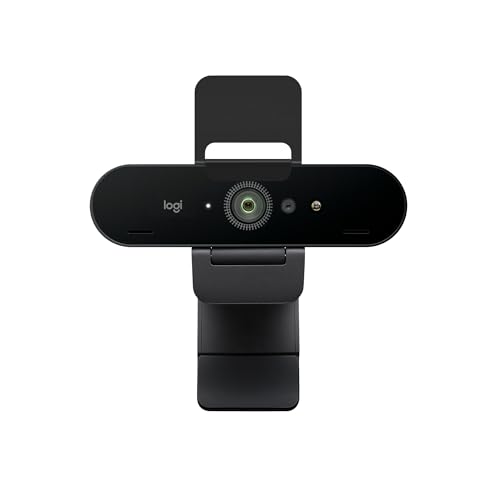

Feature Comparison
| Feature | Logitech Brio 4K | Insta360 Link 2 |
|---|---|---|
| Resolution | 4K UHD (3840×2160) | 4K UHD (3840×2160) |
| Frame Rate | 30fps (4K), 60fps (1080p) | 30fps |
| Field of View | 90° (65° and 78° via software) | 78° |
| Autofocus | Yes | Yes |
| HDR | Yes | Yes |
| Microphone | Dual omnidirectional with noise reduction | None |
| Connection | USB 3.0 | USB-C |
| Privacy Shutter | No | No |
| Low Light | RightLight 3 | Good |
| Mount Type | Clip mount | Gimbal base, clip |
Logitech Brio 4K
Pros
- ✓True 4K UHD at 30fps with HDR
- ✓RightLight 3 handles low light well
- ✓Dual omnidirectional mics with noise reduction
- ✓90° FOV with digital zoom options
- ✓5x zoom for detail shots
- ✓Windows Hello facial recognition
Cons
- ✗4K limited to 30fps
- ✗No physical privacy shutter
- ✗Premium price for 1080p alternatives
Insta360 Link 2
Pros
- ✓3-axis gimbal for smooth movement
- ✓AI tracking and whiteboard zoom
- ✓Overhead desk mode for demos
- ✓4K30 with HDR
- ✓Compact and well-built
Cons
- ✗Overhead mode requires desk space
- ✗No built-in microphone
- ✗Software learning curve
Our Verdict
Logitech Brio 4K
The Brio 4K remains a top choice for anyone who needs reliable 4K video and solid low-light performance. It's not the newest model, but Logitech's software and build quality make it a safe bet.
Sale Price Live — Don't Miss OutInsta360 Link 2
The Link 2 is the most versatile webcam we've tested. Gimbal tracking, overhead mode, and whiteboard zoom make it ideal for hybrid work and content creation.
Price Drop Alert — View Deal NowOur Methodology
We test each webcam in controlled lighting conditions (300 lux, 150 lux, and 50 lux) to evaluate image quality across scenarios. We measure autofocus speed, test microphone quality in quiet and noisy environments, and evaluate software features. No manufacturer has editorial influence.
Related Comparisons
Best Webcams 2026: Top Picks for Video Calls & Streaming
Our tested ranking of the best webcams in 2026. From budget 1080p to 4K60, find the right webcam for your setup.
OverviewCompare Webcams: Side-by-Side Specs & Features
Compare resolution, frame rate, FOV, microphones, and more across 10 top webcams. Find the right webcam for your needs.
CompareCompare WebcamPick Products — Pick Two to Compare
Choose any two products to see a detailed side-by-side comparison. Compare specs, features, and value.
Head to HeadLogitech Brio 4K vs Elgato Facecam Pro: Which 4K Webcam Wins?
Head-to-head comparison of the Logitech Brio 4K and Elgato Facecam Pro. Resolution, frame rate, low light, and value compared.
Head to HeadLogitech Brio 4K vs Razer Kiyo Pro Ultra — Which Should You Buy?
Side-by-side comparison of Logitech Brio 4K and Razer Kiyo Pro Ultra. We compare specs, performance, and value to help you decide.
Head to HeadLogitech Brio 4K vs Dell UltraSharp WB7022 — Which Should You Buy?
Side-by-side comparison of Logitech Brio 4K and Dell UltraSharp WB7022. We compare specs, performance, and value to help you decide.
Head to HeadLogitech Brio 4K vs Obsbot Tiny 2 — Which Should You Buy?
Side-by-side comparison of Logitech Brio 4K and Obsbot Tiny 2. We compare specs, performance, and value to help you decide.